WaterColor Florida Neighborhood Guide to 30A Living
July 2, 2026
July 2, 2026
If you are dreaming about life on 30A, WaterColor often stands out for one big reason: it offers more than just a beach address. You are not simply choosing a home near the Gulf. You are choosing a daily rhythm shaped by trails, parks, Western Lake, and a resort-style amenity mix that feels polished yet relaxed. If you want to understand what living here is really like, this guide will walk you through the setting, lifestyle, layout, and day-to-day experience so you can decide whether WaterColor fits the life you want to build. Let’s dive in.
WaterColor is a South Walton beach neighborhood along Scenic Highway 30A in Santa Rosa Beach. According to the WaterColor Inn, the community spans roughly 500 acres around a 220-acre coastal dune lake and includes about 1,400 linear feet of beachfront.
That setting shapes almost everything about daily life here. Instead of feeling centered on one road or one clubhouse, WaterColor feels organized around water access, green space, and a connected coastal layout.
Visit South Walton describes WaterColor as one of South Walton’s 16 distinct beach neighborhoods. It is often recognized for its front-porch homes, resort amenities, and small-town coastal feel.
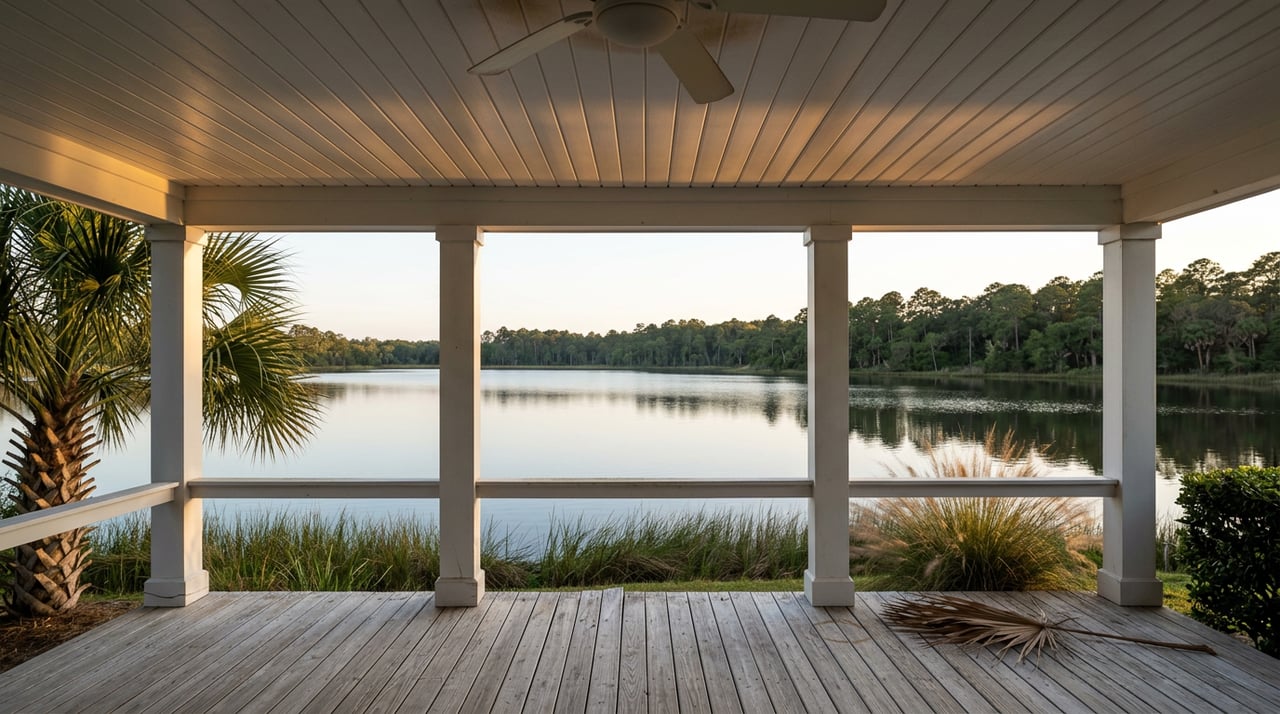
One of WaterColor’s biggest lifestyle advantages is its connection to Western Lake and the surrounding outdoor environment. The BoatHouse sits on Western Lake and is reached through Cerulean Park, which shows how closely the community is tied to the water.
Nearby Grayton Beach State Park adds another major layer to the experience. The park includes paddling on Western Lake, a one-mile nature trail, a 4.5-mile hike-and-bike trail, and connections to the paved 30A path.
For you as a buyer, that means the lifestyle here goes well beyond beach days. You have access to a setting where biking, walking, paddling, and spending time outdoors can become part of your regular routine.
WaterColor is often described as resort-like, and that is true with an important detail: many of the best-known amenities are reserved for residents and WaterColor Inn guests. That private-access structure helps shape a more controlled and community-oriented experience.
The overall feel is active, social, and easygoing. Based on the amenity mix and community setup, daily life often centers on biking to the beach, spending time at the pools, enjoying Town Center, and taking advantage of seasonal events and outdoor spaces.
If you are looking for a coastal neighborhood where you can stay busy without constantly leaving the community, WaterColor offers a strong case. There is a built-in rhythm here that blends relaxation with recreation.
The WaterColor Beach Club is one of the most recognizable amenities in the community. It includes three pools, Gulf views, cabanas, a dune crossover to the beach, and an ADA-accessible ramp.
Access is not public. The Beach Club is shared by residents and WaterColor Inn guests, and wristbands are required for guests over age five.
Camp WaterColor adds even more activity-focused amenities. Opened in 2019, it includes two pools with slides, a lazy river, a playground, a basketball court, and The Canteen for walk-up and self-order dining.
For some buyers, this is a major part of WaterColor’s appeal. You get an amenity package that supports long weekends, extended stays, and full-time living without feeling like you have to plan every outing off-site.
WaterColor does not revolve around one single park or lawn. Instead, it has a network of gathering spaces that gives the neighborhood more of a village feel.
Cerulean Park and Marina Garden sit near Town Center and are used for recreation and Lifestyle Events. WaterColor Inn also highlights Western Lake Park and Marina Park as larger green spaces for gatherings.
The community FAQ lists five miles of trails, five park areas, four piers and a dock on Western Lake, an outdoor amphitheater, and gardens. That range of spaces matters because it creates more ways to use the neighborhood, whether you want a quiet walk, time outside, or a place to meet up with friends and family.
One of the defining features of WaterColor is that it was built for walking and biking. The community’s transportation guidance emphasizes a pedestrian- and bike-oriented layout rather than a car-dependent one.
WaterColor also offers a free on-demand trolley for homeowners and rental guests. That makes it easier to move around the neighborhood without relying on your car for short trips.
There are also rules that support the community’s transportation style. WaterColor uses exclusive LSV rental rules, allows only pedal-assisted e-bikes, and does not allow e-bikes on nature trails or bridges. Parking is managed through credentials and designated areas rather than open street parking.
If you value an environment where getting around feels simple and low-stress, this part of the lifestyle can be a real plus. It supports a slower, more connected way of moving through the neighborhood.
In many beach communities, dining and errands require a drive. In WaterColor, Town Center helps keep everyday convenience closer to home.
The area includes groceries, wine, pizza, and boutique retail. Dining is also integrated into the amenity experience, with poolside, beachside, and counter-service options highlighted by the resort.
That setup helps everyday life feel more seamless. You are not just near amenities. You are living in a place where casual meals, simple shopping, and shared spaces are woven into the neighborhood itself.
WaterColor is not one uniform block of homes. Its official design documents identify a wide range of named districts and neighborhood pockets, including Beach Lane, Cottage District, Lake District, Park District, Town Center East and West, Tennis District, Tennis Cottages, Eastern Cove, Lake Forest, Oak Grove, Pine Ridge, Summersweet Place, Turtle Ridge, Vermilion Point, and Wiregrass Meadows.
That matters because your experience can vary depending on where you are in the community. Some areas feel more closely tied to the beach or Town Center, while others may feel more tucked into parks, paths, or lake-adjacent spaces.
For buyers, this is one of the reasons local guidance matters. WaterColor has a cohesive identity, but different pockets can deliver a meaningfully different day-to-day feel.
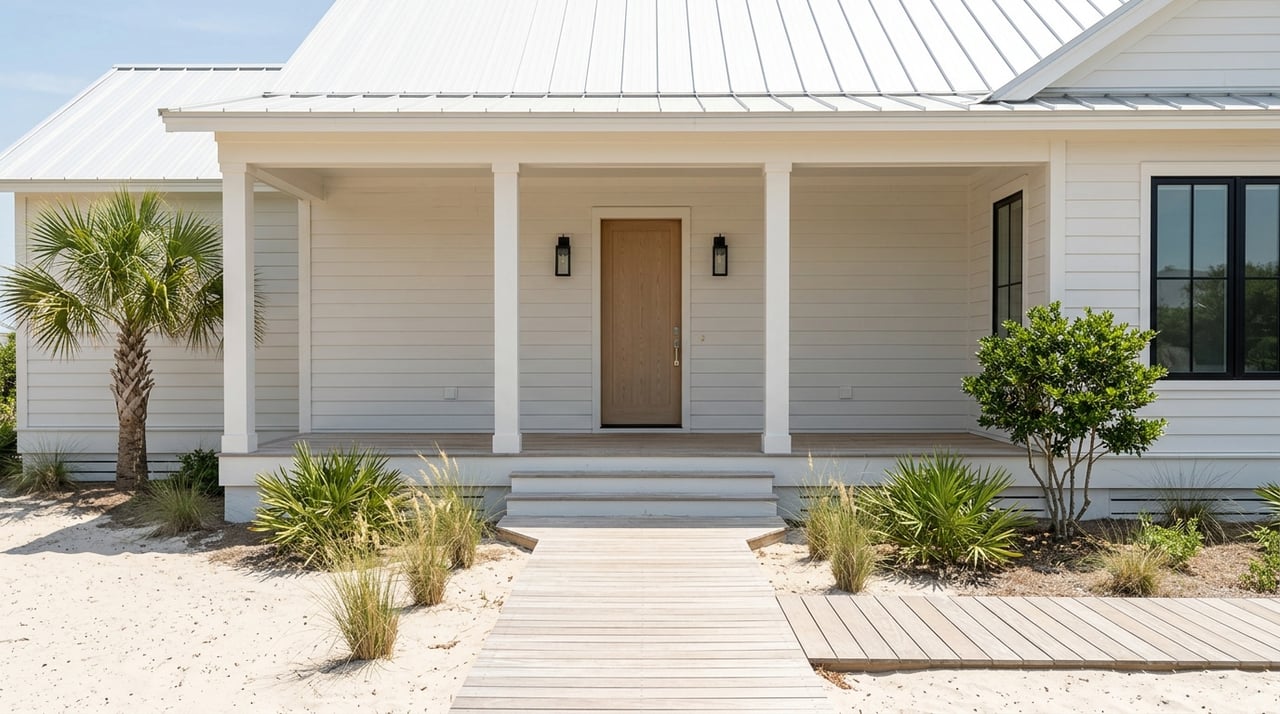
Part of WaterColor’s appeal comes from how carefully the community is designed. The design guidelines call for homes that are elegantly scaled, rooted in American Coastal and Florida vernacular traditions, and integrated into the landscape.
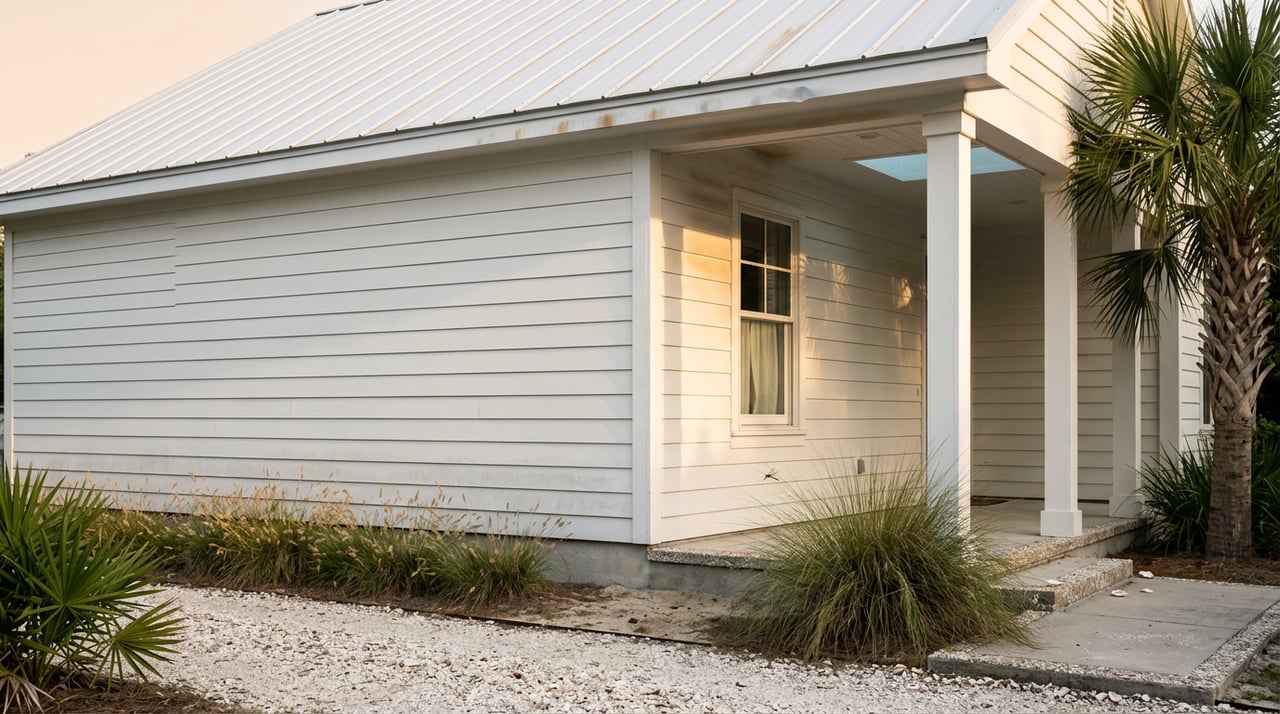
In practice, that often means simple forms, one- or two-story massing, full or wrap porches, wood siding, metal roofs with deep overhangs, and vertically proportioned windows and doors. The color palette is intended to stay restrained and harmonious.
The result is a neighborhood that reads more like a curated coastal village than a typical beach subdivision. If you are drawn to communities with strong visual consistency, WaterColor’s architectural language is a big part of its value.
WaterColor’s polished look does not happen by accident. The Design Review Board requires approval for most visible exterior changes, including colors, landscaping, fences, pools, decks, driveways, and other improvements.
For you, that can be both a benefit and a consideration. It can help preserve curb appeal and the overall character of the neighborhood, but it also means casual exterior customization is limited.
If you are considering buying in WaterColor, it is smart to understand this controlled aesthetic upfront. Buyers who appreciate consistency often see it as part of the lifestyle, while others may want more flexibility.
WaterColor can be a strong fit if you want a coastal lifestyle built around access, design, and convenience. The combination of beachfront access, Western Lake, trails, parks, pools, dining, and neighborhood events creates a setting that feels immersive rather than occasional.
It may especially appeal to you if you want a home in a 30A community where the lifestyle is as important as the property itself. Whether you are searching for a full-time residence, a second home, or an investment-minded purchase, understanding how each pocket of WaterColor functions can help you make a more confident decision.
That is where local perspective becomes valuable. In a place as layered as WaterColor, knowing the difference between districts, access points, and day-to-day patterns can help you find the right fit, not just the right address.
If you are exploring WaterColor or comparing it with other 30A communities, Jennifer Drew brings a warm, local, and strategic approach to helping you navigate the Emerald Coast. When you are ready to talk about lifestyle fit, property options, or your next move, connect with Jennifer Drew - Main Site.
Stay up to date on the latest real estate trends.

Jennifer is dedicated to helping clients navigate every step of the process with honesty, local expertise, and personalized service.