Condos vs Homes In Panama City Beach: How To Decide
June 18, 2026
June 18, 2026
Trying to choose between a condo and a house in Panama City Beach? It sounds simple at first, but along the coast, that choice can shape your day-to-day lifestyle, your ongoing costs, and even how you use the property over time. If you are weighing a full-time move, a second home, or a vacation-rental plan, understanding the local differences can help you make a smarter decision with more confidence. Let’s dive in.
Panama City Beach gives you options, which is part of what makes this decision both exciting and a little complicated. Recent public market trackers show a market with healthy inventory and a slower pace, giving buyers more room to compare condos and homes carefully.
Redfin reported a median sale price of about $384,000 for the three months ending May 2026 and described the market as not very competitive. Realtor.com reported about 2,400 homes for sale, a median listing price of $449,000, and 83 days on market. Those numbers measure different things, so sale-price and list-price snapshots will not match exactly, but together they suggest buyers may have time to weigh tradeoffs instead of rushing.
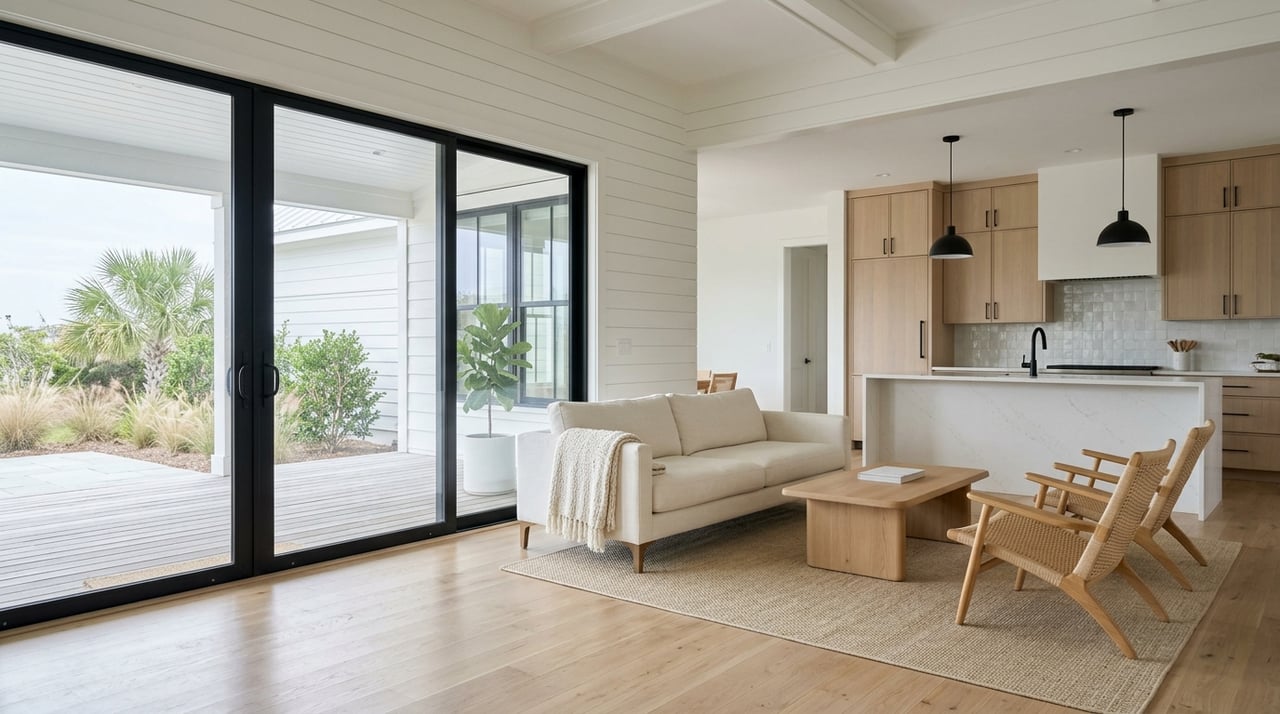
For many buyers, a condo offers a simpler coastal lifestyle. If you want a beach base that feels easy to lock up and leave, a condo can be a strong fit, especially if you do not want to handle every exterior repair or common-area issue yourself.
That convenience can be especially appealing if you live out of state, split time between homes, or plan to use the property part-time. In many cases, condo living means less hands-on maintenance in your day-to-day routine, which can make ownership feel more manageable.
Buyers often gravitate toward condos in Panama City Beach for a few practical reasons:
Still, condo ownership in Florida is more association-driven than owning a detached house. That means the building’s condition, reserve funding, association budget, and shared decision-making all matter in a big way.
A single-family home offers a different kind of freedom. If you want more privacy, more control over your property, and more flexibility with outdoor space, storage, or updates, a house may feel like the better long-term fit.
That can matter even more if you plan to live in Panama City Beach full time. Many buyers like having more say over the property without the same level of association oversight that often comes with condo ownership.
Single-family homes often make sense when you value:
The tradeoff is that the maintenance burden usually falls more directly on you. Instead of relying on an association to manage many building-related items, you are more likely to handle those responsibilities yourself.
One of the biggest misconceptions buyers have is that condos and homes are taxed differently just because of property type. In Florida, the key issue is usually not whether you buy a condo or a house. It is whether the property will be your permanent residence.
If your Panama City Beach property will be your primary residence, you may qualify for Florida’s homestead exemption. According to the Florida Department of Revenue, that can reduce taxable value by as much as $50,000 and may also provide Save Our Homes assessment protection. Bay County says applications are filed with the property appraiser.
A primary-residence condo can qualify just like a primary-residence house. On the other hand, if the property will be a second home or rental, you should not assume you will receive homestead benefits.
Before you narrow your search, ask:
That answer can affect your property tax picture more than the condo-versus-home label alone.
Near the coast, insurance is not a detail you want to figure out at the last minute. In Panama City Beach, your flood zone and lender requirements can affect your costs and your monthly budget assumptions.
FEMA says federally regulated lenders generally require flood insurance for buildings located in Special Flood Hazard Areas within NFIP communities. That is why it is smart to check flood-zone information early, whether you are looking at a Gulf-front condo, a few blocks inland, or a detached home in a low-lying area.
The important takeaway is simple: do not rely on a general sense of being close to or far from the water. Confirm the flood-zone and insurance assumptions before you make a decision.
If you are thinking about offsetting costs with short-term rental income, Panama City Beach has local rules you need to understand. This applies whether you are considering a condo or a single-family home.
The City of Panama City Beach lists Ordinance 1632 for transient residential rental requirements. The city says the ordinance covers registration, reporting, and inspection requirements for vacation rentals operating in the city.
PCB Fire Rescue’s compliance guide adds that rented units must have a Vacation Rental Certificate and show proof of a DBPR license, Bay County TDC registration, a valid Panama City Beach Business Tax Receipt, and a full life-safety inspection. That means the rental setup process is operational, not casual.
Bay County also collects a 5% Tourist Development Tax on short-term or vacation rentals in the special taxing jurisdiction, which includes Panama City Beach. According to the Bay County Clerk, the tax applies to rentals of 6 months or less and applies to room rates plus required guest fees such as cleaning, pet, and resort fees.
If rental income is part of your plan, this should be part of your budgeting from the start.
Not every rental property follows the exact same checklist. In Panama City Beach, the compliance process can differ by property type.
PCB Fire Rescue’s vacation rental compliance sheet distinguishes between condo or co-op signage and multi-family or single-family vacation rentals. In practical terms, that means a condo and a house may not follow the exact same path, even before you factor in any association rules or governing documents.
This is one reason buyers should avoid assuming that a property can be rented just because similar properties nearby are rented. The details matter, and they are worth confirming early.
In Panama City Beach, condo due diligence goes beyond comparing views, amenities, and monthly dues. Florida law adds building-level requirements that can affect both costs and timing, especially in older coastal buildings.
For condo buildings that are three habitable stories or more and subject to condo or co-op ownership, Florida law requires milestone inspections at 30 years and every 10 years after that. In salt-water areas, local officials may require the first inspection at 25 years.
That matters in a beach market with older towers. Building age and coastal exposure should be central parts of your condo review process.
Florida law also requires structural integrity reserve studies at least every 10 years for residential condominium buildings that are three habitable stories or higher. For budgets adopted on or after December 31, 2024, certain associations may not vote to use reserve funds for unrelated purposes when a required study applies.
For you as a buyer, the practical takeaway is clear. Review condo dues, reserve funding, and assessment history carefully before you make an offer.
A condo often makes more sense if you want convenience, easier part-time ownership, and less day-to-day upkeep. It can be a strong option for second-home buyers, seasonal owners, or buyers who want a more turnkey coastal experience.
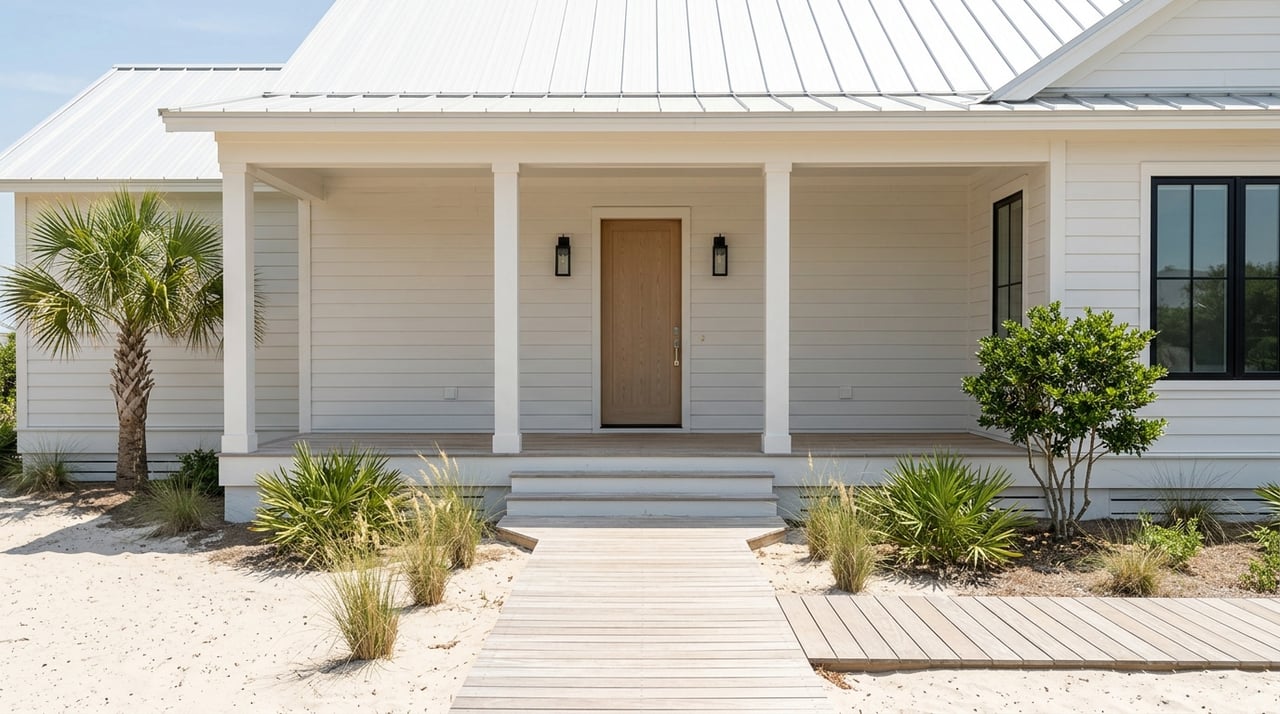
A single-family home often makes more sense if you want privacy, flexibility, and a simpler ownership structure. It can be especially appealing if you plan to live in Panama City Beach full time and want more control over how you use and maintain the property.
Before you choose, confirm these points:
When you line up those answers, the right choice usually becomes much clearer.
If you want guidance that blends local Panama City Beach knowledge with practical coastal insight, Jennifer Drew - Main Site can help you compare condos and homes based on your lifestyle, goals, and long-term plans.
Stay up to date on the latest real estate trends.
Jennifer is dedicated to helping clients navigate every step of the process with honesty, local expertise, and personalized service.